
New Buying a Broward Condo? Understand the Special Assessment!log Post

Before You Buy a Broward Condo, Understand the Special Assessment
You found the condo. The kitchen feels right. The balcony is calling your name. Then you open the paperwork and see two words that can change your budget: special assessment.
Before you walk away, or decide it is no big deal, find out what those words mean for this unit.
An assessment could help pay for needed repairs. It could also point to bigger costs you have not seen yet. Whether you are buying in Pompano Beach, Fort Lauderdale, Hollywood, or elsewhere in Broward, you need more than a monthly payment and a quick promise that “the seller is handling it.”
Start With What the Money Is For
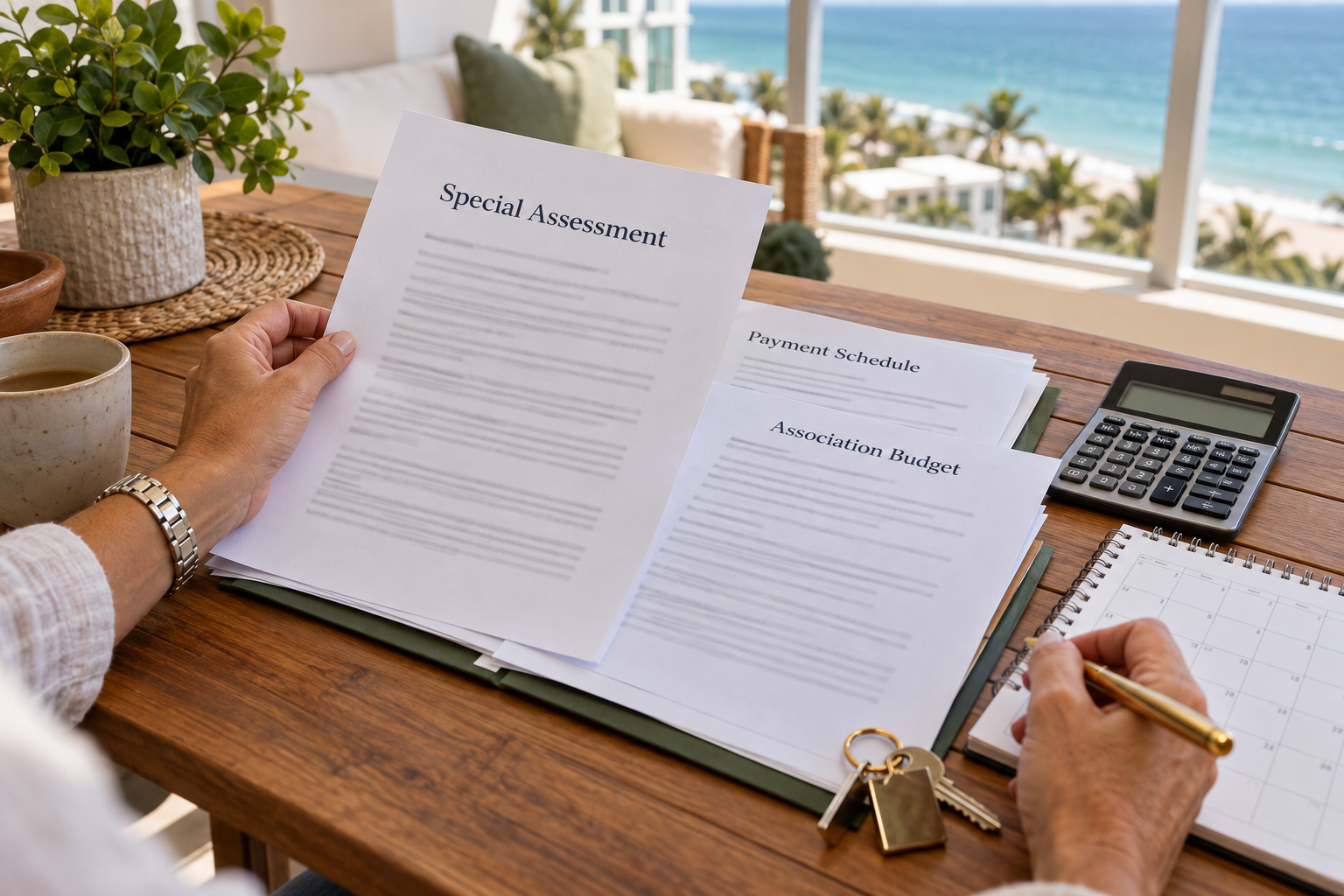
A special assessment is an extra charge from the condo association, separate from regular dues. It may help pay for roof work, concrete repairs, elevators, insurance costs, or other association expenses.
Ask for the actual written assessment notice. Florida law requires that notice to state the specific purpose of the assessment, and the money collected must be used for that purpose. Then organize these details:
The project: What work or expense does the money cover?
The total: How much is the association collecting, and how much belongs to this unit?
The status: Is the assessment approved, or is it still being discussed?
The scope: Does it cover the whole job or only one phase?
The timing: When will work begin, and what could affect completion?
“Concrete work” is a starting point, not a full explanation. Ask whether the price is based on an estimate or a signed contract, and whether there is money set aside for surprises.
An approved assessment does not, by itself, prove the work is finished or the building is safe.
Look Beyond the Monthly Installment
A payment plan can make a large bill look small.
Here is a made-up example: A unit has an $18,000 assessment paid over 36 months. That is $500 a month. If 12 payments have been made, $12,000 remains, assuming no interest or other charges.
Now put that beside the regular condo dues, mortgage, taxes, and insurance. Does the full cost still fit your budget?
Get the payment schedule in writing. Confirm the remaining balance, due dates, any interest, and whether a sale changes when the balance must be paid.
If you are financing the purchase, give the assessment details to your lender early. Ask how the payment and the underlying project may affect your loan review.
Put Seller and Buyer Responsibilities in Writing
“The seller will take care of it” sounds reassuring. It is also too vague to build a closing around.
Does that mean the seller will pay the entire remaining balance? Only payments due before closing? Or offer a credit while you make future payments?
Who pays a condo special assessment when the unit is sold? The answer depends on the assessment, governing documents, contract, and negotiated terms. Do not assume the seller automatically pays everything or that future installments automatically belong to the buyer.
Have your real estate attorney review the wording. Ask the closing professional to match the agreed terms with the association’s records and closing figures.
The association’s estoppel certificate identifies amounts owed and certain upcoming charges for the unit. It is an important closing document, but it does not replace a review of the project or the association’s broader finances.
Florida law can also make a new owner responsible, along with the previous owner, for unpaid assessments from before the transfer. A private agreement about who pays needs careful handling at closing.
Check the Bigger Financial Picture
A special assessment is one piece of the story.
Think of the association’s reserves as its savings for major repairs. You want to know whether the current bill solves a defined problem and how the association plans to pay for other work.
Request the current budget, recent financial statements, reserve information, and recent board meeting minutes. Ask for applicable inspection reports and the structural integrity reserve study, often called a SIRS, if required for the building. These records help connect planned repairs with the money available to pay for them.
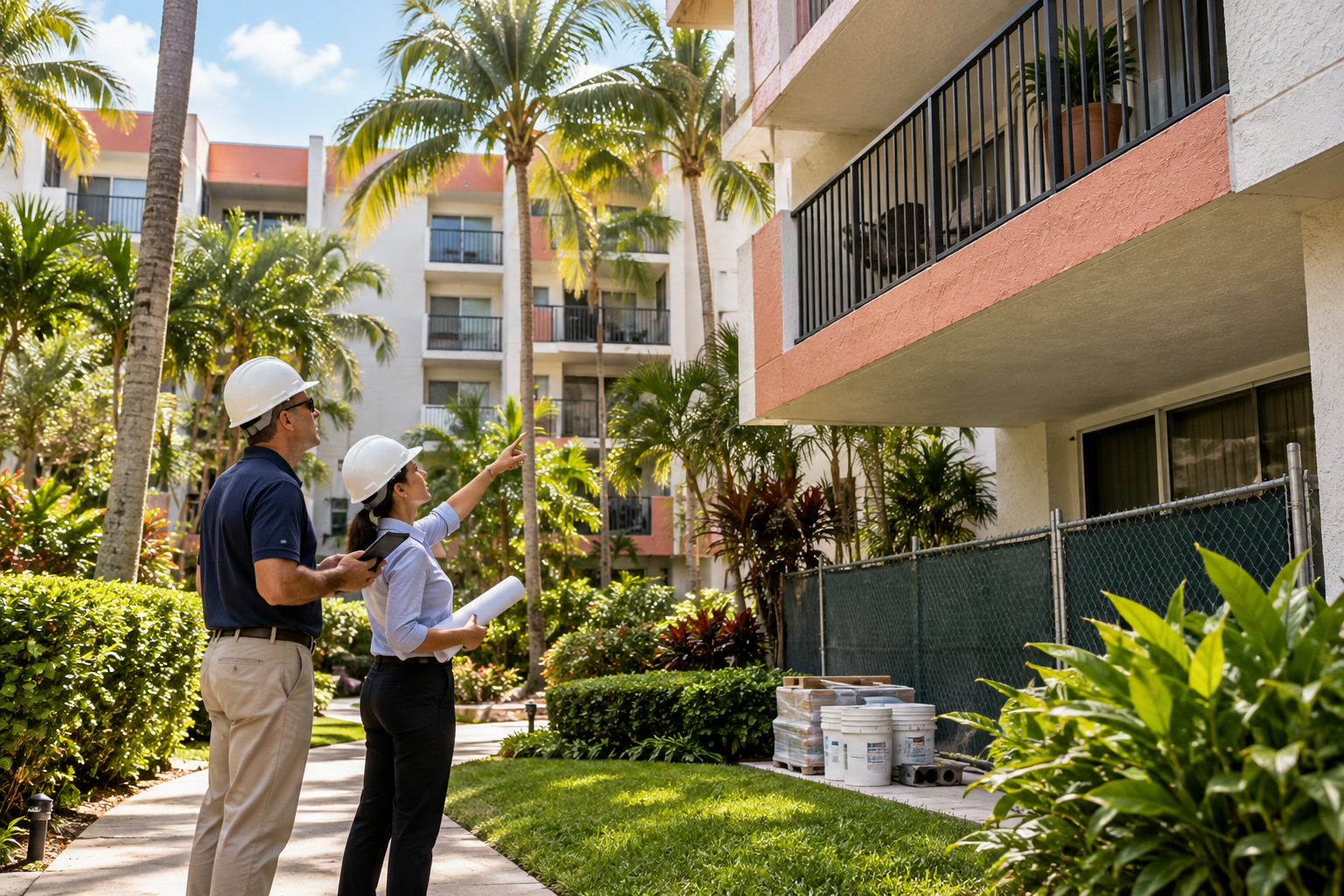
For a Broward condo near the ocean, ask specifically about any documented concrete, balcony, waterproofing, or corrosion work. For any building, ask whether other major projects or assessments are being discussed.
Compare the records with the explanation you receive. If someone says, “This takes care of everything,” ask what documents support that statement.
No one can promise there will never be another assessment.
How The Chriz Tokar Team Helps You Sort It Out
You should not have to piece together a major purchase from scattered emails and unfamiliar paperwork.
The Chriz Tokar Team helps Broward condo buyers organize document requests, track unanswered items, compare the purchase price with known association costs, and keep review dates in view. We can help bring questions to the seller, association manager, lender, and closing professional so you know what still needs an answer.
When a question calls for legal, financial, or engineering advice, we help you identify the right professional to consult. Our role is to keep the process moving while helping you make a decision that fits your plans.
It's all part of the TLC - The Tokar Level of Care.
Call 954-600-7427. Let’s identify the questions before the review period runs out.
Florida Condo Special Assessment Questions
Should I walk away from a condo with a special assessment?
Not automatically. First understand the purpose, remaining cost, payment terms, project status, and association finances. Then decide whether the full picture fits your budget and comfort level.
If the seller pays the assessment, am I covered?
That may settle the agreed assessment balance, but it does not answer every question about the building. Review other planned work, reserves, and possible future costs.
What if another assessment is being discussed?
Request the available notices, minutes, estimates, and proposals. Ask your attorney how your contract handles an assessment approved before closing. A proposed amount may change.
How long do I have to review the documents?
Confirm your exact deadline promptly with your agent and attorney. Florida law and your contract may provide different review or cancellation rights. Required document delivery, the type of sale, and notice rules matter. Do not assume every deadline starts when you sign, or that asking a question extends it.
This article provides general information, not legal, tax, engineering, or financial advice. Before deciding, verify current documents, contract language, deadlines, financial records, and advice from qualified legal or financial professionals.
For More Information contact:
Chriz Tokar and Bruce Field – 954-600-7427
The Chriz Tokar Team
RE/MAX Advance Realty